Enneagram Social Three: The Status-Seeking Three
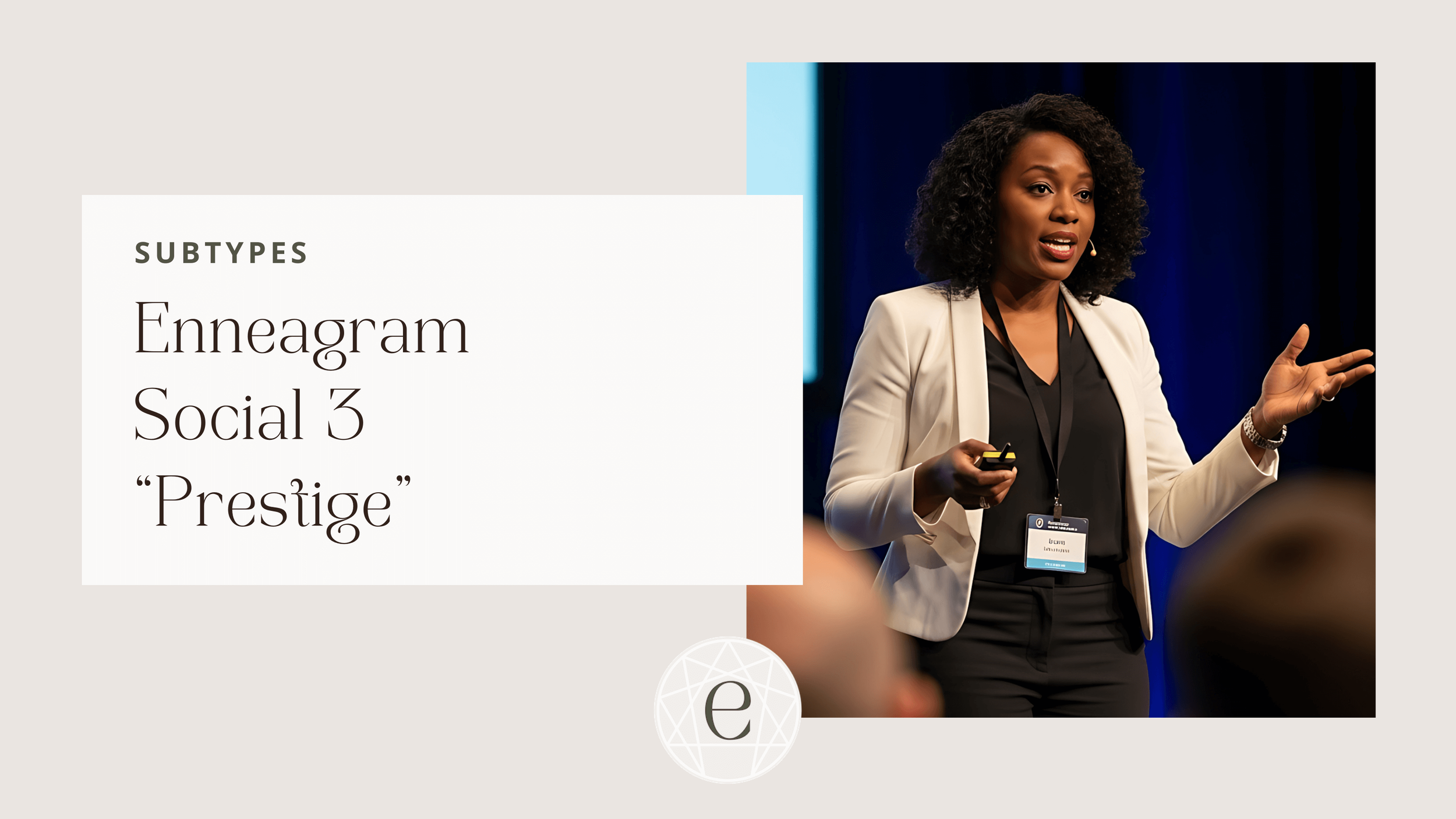
Enneagram Threes are often described as achievers—adaptable, ambitious, and focused on success. They long to be valued and admired, and they fear being seen as worthless or failing. But each subtype of Three expresses that drive differently, depending on which instinct leads.
The Social Three (SO3) has been nicknamed “Prestige,” a term used by Enneagram teacher Beatrice Chestnut in The Complete Enneagram, building on psychiatrist Claudio Naranjo’s early work with instincts. “Prestige” reflects this subtype’s focus on image, recognition, and social visibility as measures of success.
For accessibility, I’ll also call this subtype “The Status-Seeking Three.” This phrase highlights how Social 3s instinctively use their ambition to rise in status, earning admiration and influence through carefully managed success.
In this post, we’ll explore the defining traits of the Social Three, how they show up in relationships and work, how they differ from the other Three subtypes, and what growth looks like for them.
Please note - this post contains affiliate links. If you click and make a purchase, I may earn a small commission at no extra cost to you.
The Social Three at a Glance
At their core, Threes long to be valuable and admired. They often adapt to what others expect, presenting a polished image that ensures approval.
The passion of Type Three is self-deceit—not malicious lying, but a forgetting of their authentic self in favor of the persona they perform for the world.
When the Social instinct leads, this dynamic takes the form of seeking visibility, prestige, and recognition. Social 3s want to be seen as the best at what they do, admired for their competence, and celebrated for their achievements.
🔑 Key themes for Social 3s include:
Polished image
They are highly aware of how they’re perceived and work to appear successful.Status-consciousness
They value recognition, reputation, and influence.Networking and visibility
They thrive in public roles and enjoy being admired.Adaptability
They shape themselves into what the group values most.
In short: Social 3s want not just to succeed, but to be seen succeeding.
Strengths and Challenges of Social 3s
The Status-Seeking Achiever brings inspiring motivation but also carries relational risks.
💪 Strengths
Polished and professional
They know how to present themselves well.Ambitious and driven
Their energy and focus propel them to high achievement.Social intelligence
They can read what a group values and embody it skillfully.Motivational leaders
Their charisma and success inspire others to aim higher.
⚠️ Challenges
Over-focus on image
They may prioritize looking good over being authentic.Workaholism
Their ambition can push them into overdrive.Fear of failure
They may struggle with shame or anxiety if they’re not admired.Neglect of inner life
Their drive for recognition can leave them disconnected from their true feelings and identity.
Social 3s often appear confident and polished, but beneath the surface, they may fear that without their achievements, they are not truly worthy of love.
Want to understand your SO3 wiring at a deeper level?

This guided workbook is designed to help you work with the patterns behind your Social 3 subtype.
Social 3s in Relationships and Work
How does this subtype show up in daily life? Let’s look at relationships and work together, since the themes overlap.
❤️ In Relationships
Social 3s bring charm, confidence, and ambition to their relationships. They often want to make their partners proud, and they may express love by working hard and achieving.
But their focus on image can create challenges. They may struggle to be vulnerable, fearing that showing weakness will make them less lovable. Their partners may feel admired in public but miss deeper emotional intimacy in private.
For growth, Social 3s need to practice showing up authentically, even when it risks imperfection.
💼 At Work
In professional settings, Social 3s often thrive. They are ambitious, adaptable, and willing to put in the effort to succeed. They excel in roles requiring visibility, public speaking, or leadership.
However, their desire for recognition can drive them to overwork or chase external validation. They may also adapt so much to others’ expectations that they lose touch with their true values.
Their growth edge at work is to define success internally, not only through external admiration.
How Social 3s Differ from Other Type Three Subtypes
All Threes are achievers, but each subtype channels that drive differently:
Social 3 vs. Self-Preservation 3:
Self-Preservation 3s focus on self-sufficiency and building security through practical achievement.
Social 3s focus on prestige, visibility, and recognition.
Self-Preservation 3s are more grounded and steady; Social 3s more polished and outward-facing.
Social 3 vs. Sexual 3:
Social 3s want recognition from the group, community, or society at large.
Sexual 3s want intensity and admiration from one-to-one connections.
Social 3s are polished and professional; Sexual 3s are magnetic and dynamic.
These contrasts show why some Threes look like tireless workers, while others shine as charismatic leaders or magnetic individuals.
The Growth Path for Social 3s
For the Social Three, growth means moving from performing for admirationto living authentically.
Key growth practices include:
Prioritize authenticity:
Notice when you’re presenting an image instead of showing up as yourself.Redefine success
Explore what matters to you beyond external recognition.Practice vulnerability
Allow imperfection and risk showing your true self.Slow down
Balance ambition with rest, reflection, and genuine connection.
When Social 3s embrace authenticity, their natural charisma becomes even more powerful—rooted in truth rather than performance.
If this resonated, the SO3 Subtype Workbook will take you deeper:
Final Thoughts
The Social Three—Prestige, or the Status-Seeking Three—is ambitious, polished, and socially intelligent. They bring drive and visibility to everything they do. Yet their greatest growth comes from releasing the need for admiration, embracing vulnerability, and reconnecting with their authentic self.
If you identify with this subtype, you might ask yourself:
“Am I chasing recognition, or am I living in alignment with who I really am?”
Want to explore all 27 Enneagram subtypes and see how they shape behavior, relationships, and growth?
👉 Download my free Enneagram Subtypes Guide here.